Replenishment runs
Move components, containers, consumables, or tools from storage to work areas.
Industry
Configure mobile robotics around the movement and cleaning work that repeats across receiving, storage, production support, packing, and shipping areas.
Discuss this operation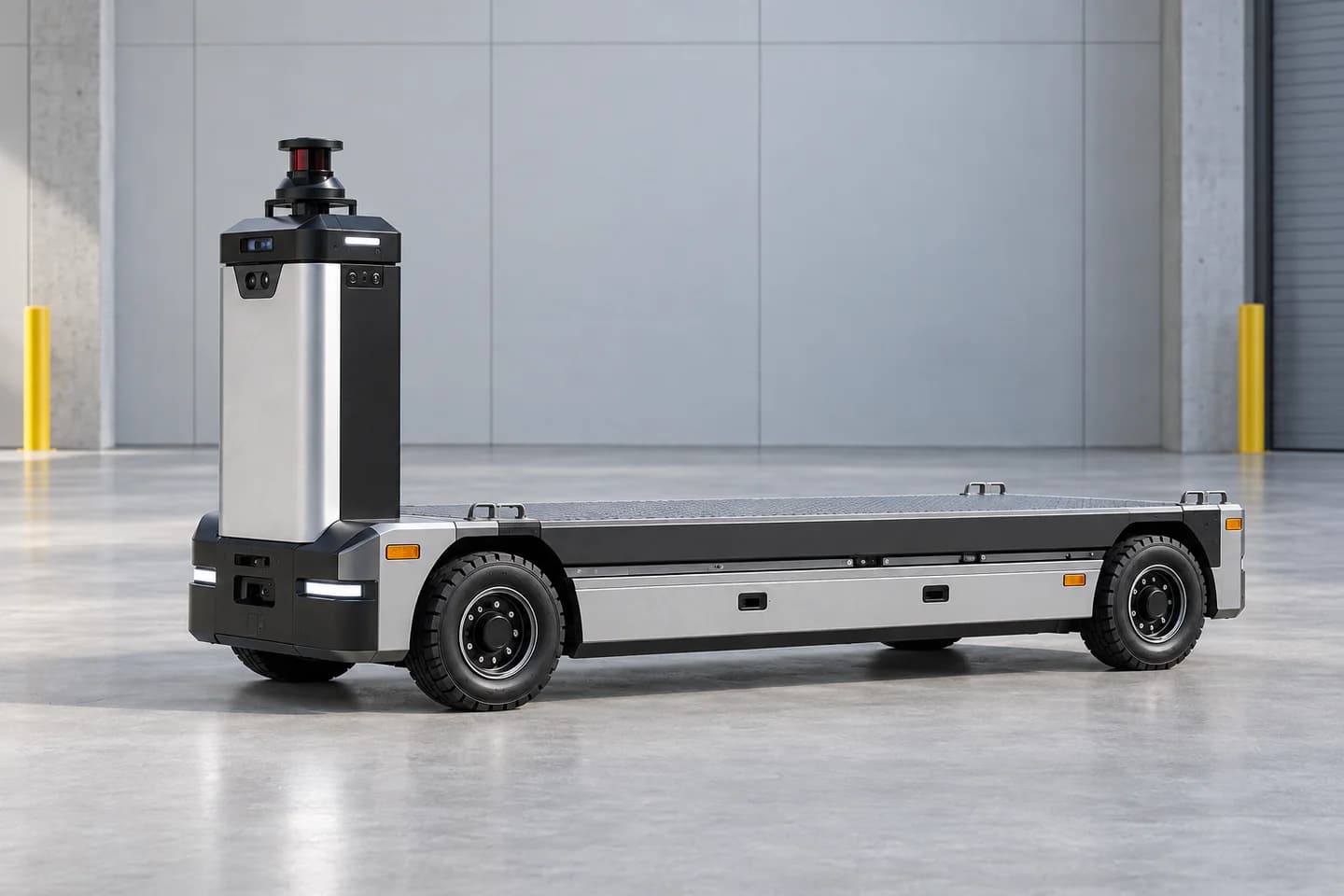
A useful deployment begins with one operational bottleneck and the real handoffs surrounding it.
Move components, containers, consumables, or tools from storage to work areas.
Carry defined loads between docks, inspection, storage, and staging points.
Collect samples, returns, empty containers, packaging, or waste on scheduled routes.
Clean aisles and operational zones around the facility’s traffic and access windows.
These inputs help determine the autonomy approach, vehicle configuration, integrations, and validation plan.
A first pilot should avoid a workflow with unclear ownership, constantly changing pickup points, or required integrations that cannot be represented during validation.
Long routes, dock traffic, staging changes, and time-sensitive movement.
Material flow between storage, kitting, lines, quality, and maintenance.
Mixed inventory, staff traffic, cleaning, and scheduled service routes.
Not necessarily. The assessment starts with the current route and workflow, then identifies any changes required for reliable operation.
Integration requirements are evaluated during site assessment. The pilot scope should specify which handoffs or systems are essential.
Begin with the operation that has the clearest route, owner, success criteria, and operational value for your site.
Identify one recurring trip or cleaning area, then share the load, route, frequency, traffic, handoffs, and current labor involved.