Building-to-building delivery
Move supplies, internal mail, tools, or service materials along defined campus routes.
Industry
Connect buildings and operational areas with autonomous transport, cleaning, and site-service workflows configured for the campus’s paths, roads, people, and daily schedule.
Discuss this operation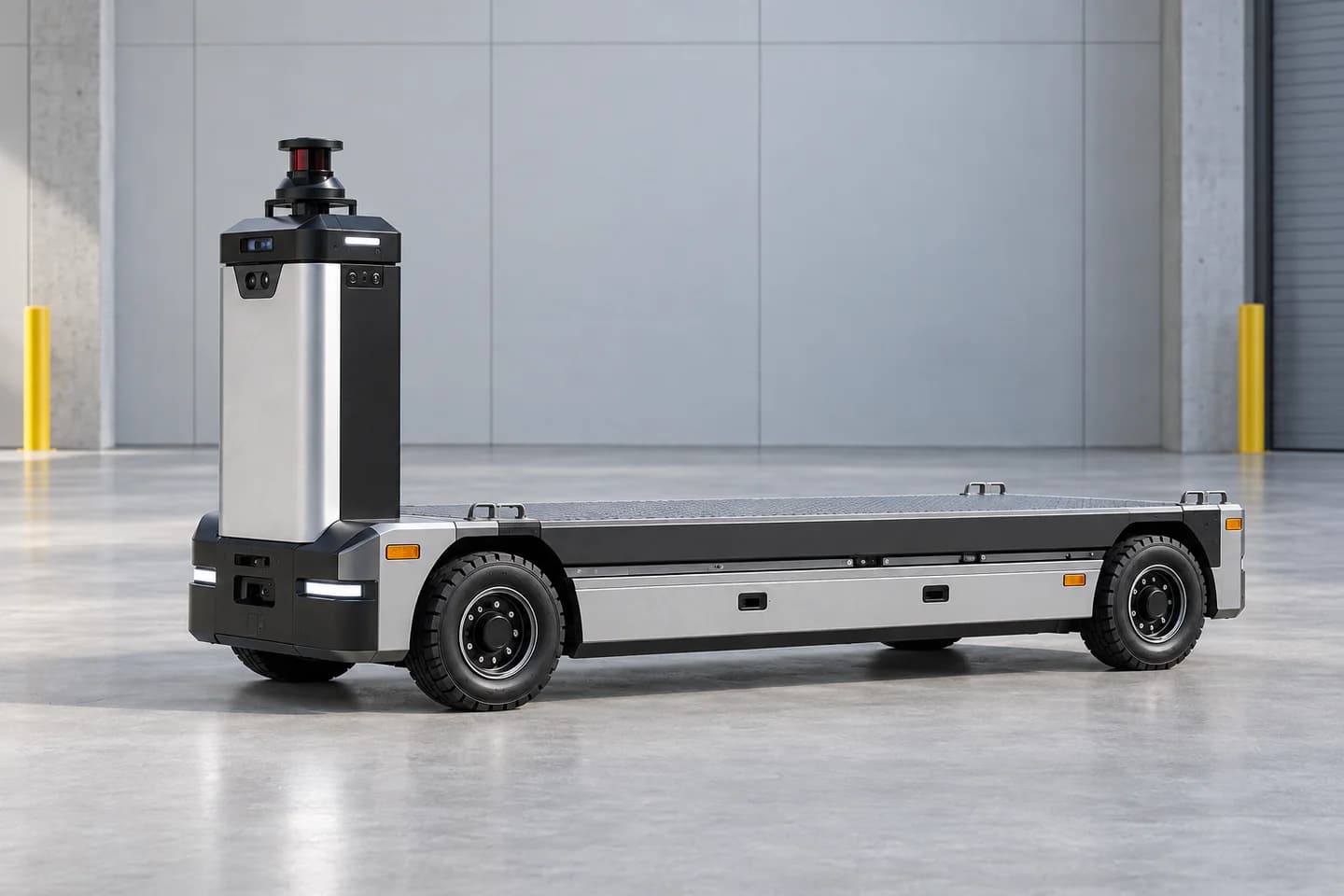
The work may cross indoor and outdoor areas, but it still needs a clear owner, payload or service requirement, route, schedule, and exception process.
Move supplies, internal mail, tools, or service materials along defined campus routes.
Carry equipment and consumables between maintenance, storage, and service locations.
Schedule sweeping or floor care across suitable indoor, parking, and shared operational zones.
Configure a contained workflow around the needs and operating rules of the site.
These inputs help determine the autonomy approach, vehicle configuration, integrations, and validation plan.
A campus route may not be suitable when it depends on uncontrolled public rights-of-way, lacks a clear operating owner, or requires access points that cannot be integrated or supervised.
Supplies, samples, tools, facilities support, and parking operations.
Service movement and cleaning routes with significant pedestrian schedules and access constraints.
Multiple buildings connected by paths, roads, yards, and shared operational teams.
This offering is focused on private-site operations. Any public-right-of-way requirement would need separate legal, regulatory, and technical evaluation.
Potentially, with appropriate site and system integration. These access points should be identified early because they materially affect the pilot scope.
Those usually require different vehicle and payload configurations. MotiveGrid assesses the workflow first and selects the system architecture accordingly.
Describe the service route, items or task, buildings and outdoor segments, schedule, handoffs, access points, traffic, and weather exposure.